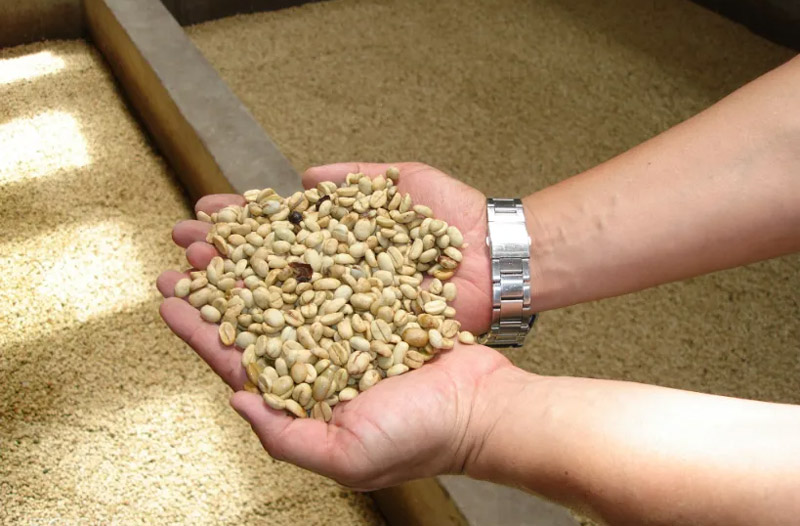
Coffee enthusiasts who often purchase coffee beans will notice that many coffee names on the packaging of individual coffee beans contain information such as G1, G2, SHB, PB, etc. For example, the G1 coffee beans from Ethiopia's Yegashefe. So what does this G1 represent? Actually, this represents the grade of this coffee bean. Due to the different planting environments and coffee varieties in each country's production area, each country's production area will adopt its own standard system to grade coffee beans. Therefore, there is no unified grading system for coffee beans. So, let's explain the standard characteristics of common coffee bean grading below.
1. Ethiopia
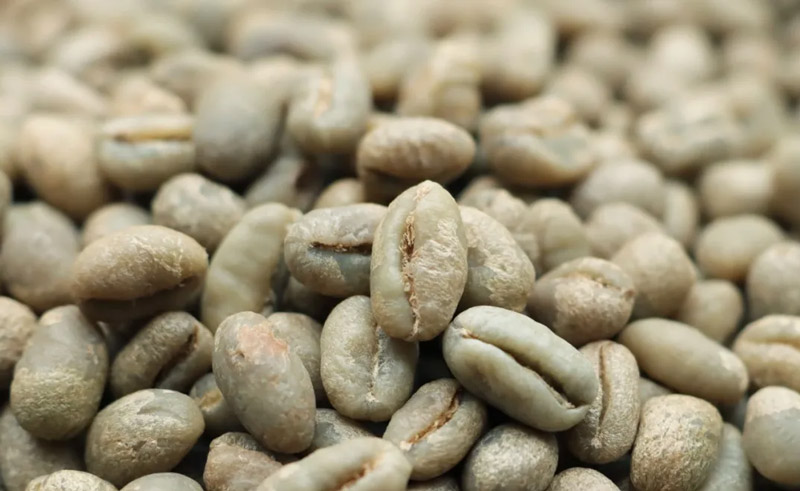
As the birthplace of coffee beans, Ethiopia has a wide variety of coffee varieties. Currently, there are over 2000 registered coffee varieties, and there are countless that have not been registered. Therefore, coffee beans in Ethiopia vary in size and cannot be classified based on their size. Therefore, coffee bean grading in Ethiopia is based on the number of defects in the beans. The coffee grade standard in Ethiopia is based on the number of defects per 300g, and unqualified defective beans include all black beans, moldy beans, insect infested beans, and so on. The highest standard for Ethiopian coffee beans is Grade 1 (G1), with no more than 3 defective beans per 300 grams of coffee beans. Next is Grade 2 (G2), with no more than 12 defective beans per 300 grams of coffee beans. G3 grade defective beans have 13-25 grains, with the worst being Grade 5 (G5) grade. Relatively speaking, G3 and above grades are considered high-quality coffee beans.
2. Kenya
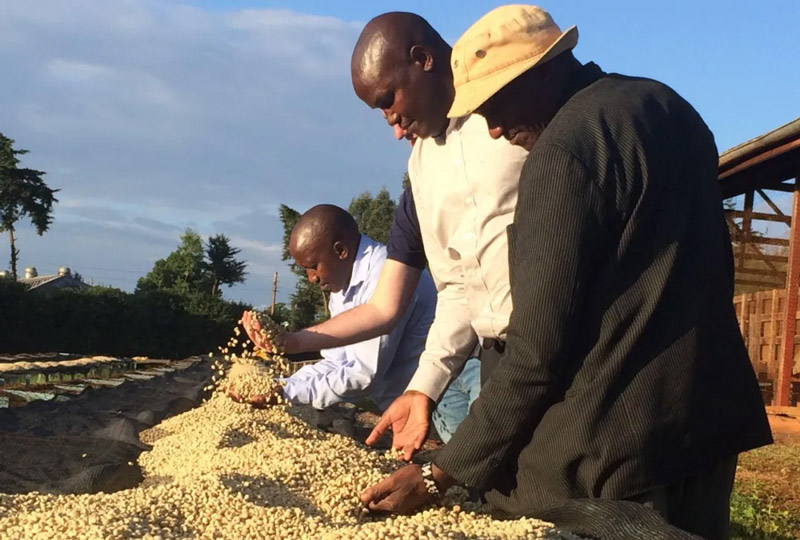
The main classification standard for Kenyan coffee beans is coffee bean size. Although bean size is not the only criterion for determining quality and flavor, it is indeed an important indicator with great reference value. Beans that grow large and have beautiful curves indicate that coffee grows vigorously and best showcases its beautiful flavor. The grades of Kenyan coffee beans are classified from high to low as AA or AA+, AB, PB, C, E, TT, and T. When selecting, they can be used as a basis and the flavor of the coffee will also be used as a reference. The commonly used grades in the mass market are AA, AB, and PB (round beans).
3. Indonesia
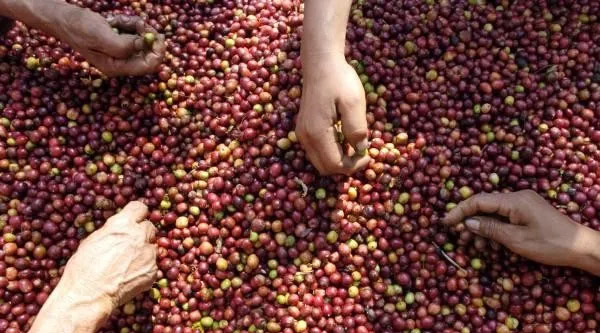
The grading standards for coffee beans in Indonesia are similar to those in Ethiopia, both relying on defect rate grading. The grading standards are mainly based on the number of defects and supplemented by coffee particle size. Indonesian coffee beans are mainly divided into 6 levels, namely G1-G6. In addition, Indonesian premium grade coffee is also manually screened and labeled as Double Picked or Triple Picked. The reason is that Indonesia often uses wet planing method for processing, which is prone to bad beans during the process. The more times the coffee is manually selected, the better the quality of the coffee.
4. Colombia
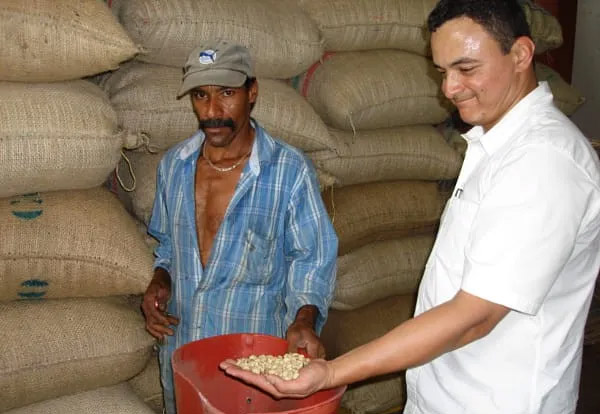
Colombian coffee beans are graded based on coffee mesh size standards, commonly including UGQ (14 mesh or more), EP (15 mesh or more), and Supremo (17 mesh or more). Like Kenyan coffee beans. Generally, baking factories prefer to choose large grain green beans, which will show a more distinct flavor during the baking process and are easier to match with green beans from other producing countries. Beans with larger particle sizes usually have higher prices, while beans with smaller particle sizes are often used to make instant coffee and beverages.
5. Brazil
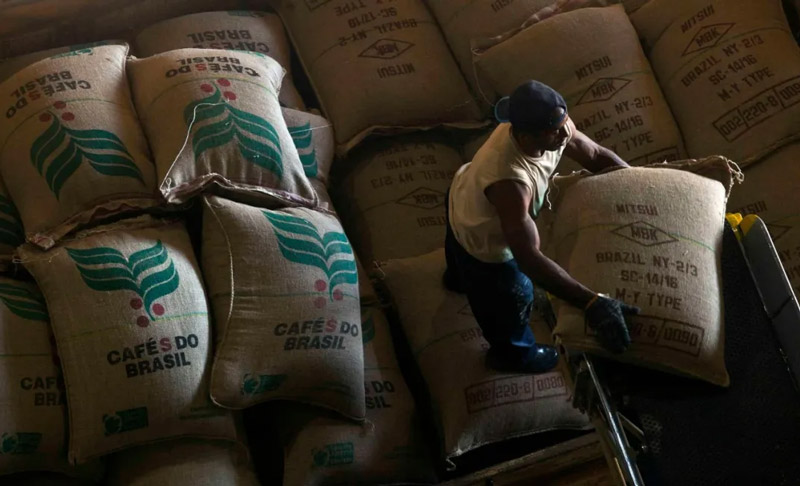
Brazil is the world's largest producer and exporter of coffee. The naming convention for Brazilian coffee is country+production area (port)+grading name+cup test quality. Brazil uses the NY grading method to classify coffee beans based on particle size, defect rate, and cup test score. According to Brazilian standards, beans that are completely flawless can become the highest grade beans (NY.1), but this cannot be achieved at all. So in Brazil's green beans, the best is NY.2 grade, and the worst is NY.5/6 grade.
6. Jamaica
Jamaica classifies coffee beans according to their mesh size, which are:
NO.1- Above 17 mesh
NO.2- Above 16 mesh
NO.3- Above 15 mesh
PB -14 mesh or above
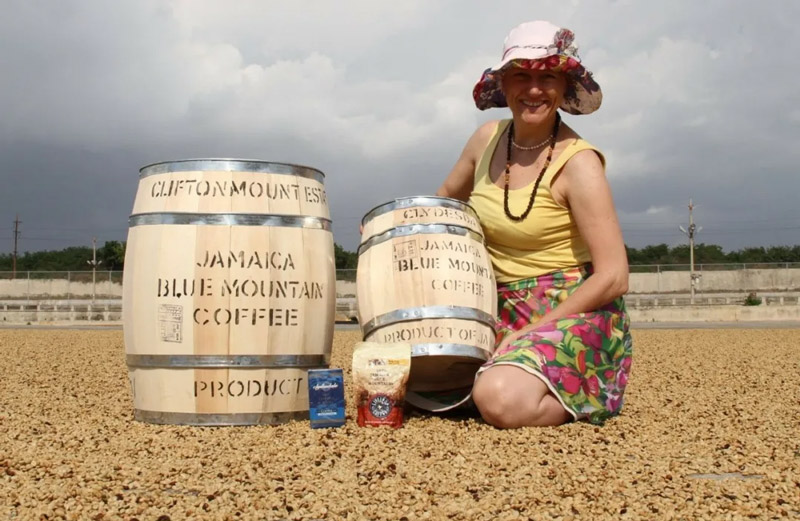
No.1, No.2, No.3, and Blue Mountain round beans are the only coffee in the world exported in wooden barrel packaging, typically available in three sizes: 70kg, 30kg, and 15kg. Other grades of Jamaican coffee are exported in 60kg burlap bags.

7. Guatemala, Costa Rica, Panama
The grading system used in Guatemala, Costa Rica, and Panama is based on the hardness of the green beans. The characteristics of coffee bean cultivation are at the same latitude and on the same plot. As the altitude increases, the temperature difference between day and night becomes larger, the coffee growth period becomes longer, the beans become harder, the nutrients absorbed by the beans become more abundant, and the flavor substances become more prominent. Therefore, many coffee producing countries in Central and South America south of Mexico use this as a standard. When these producing countries export raw beans, they often use the SHB (Very Hard Bean) grade, indicating that the beans have a clean flavor and excellent fruity characteristics.
8. Salvadoran coffee, Honduran coffee, Nicaragua coffee
The grading standards for coffee beans in El Salvador, Honduras, and Nicaragua are based on the altitude of coffee cultivation, as follows:
SHG (extremely high ground growth) - above 1200M
HG (Highland Growth) -1000-1200M
S (Standard Growth) -800-1000M
CS (Central Standard) -500-800M

The above is some relevant information on coffee bean grading from most of the global production areas. I hope it can help coffee enthusiasts who want to understand relevant knowledge, so that they can choose high-quality coffee beans that better suit their taste in the future.
|